Bidspirit auction | The Dachau Concentration Camp as
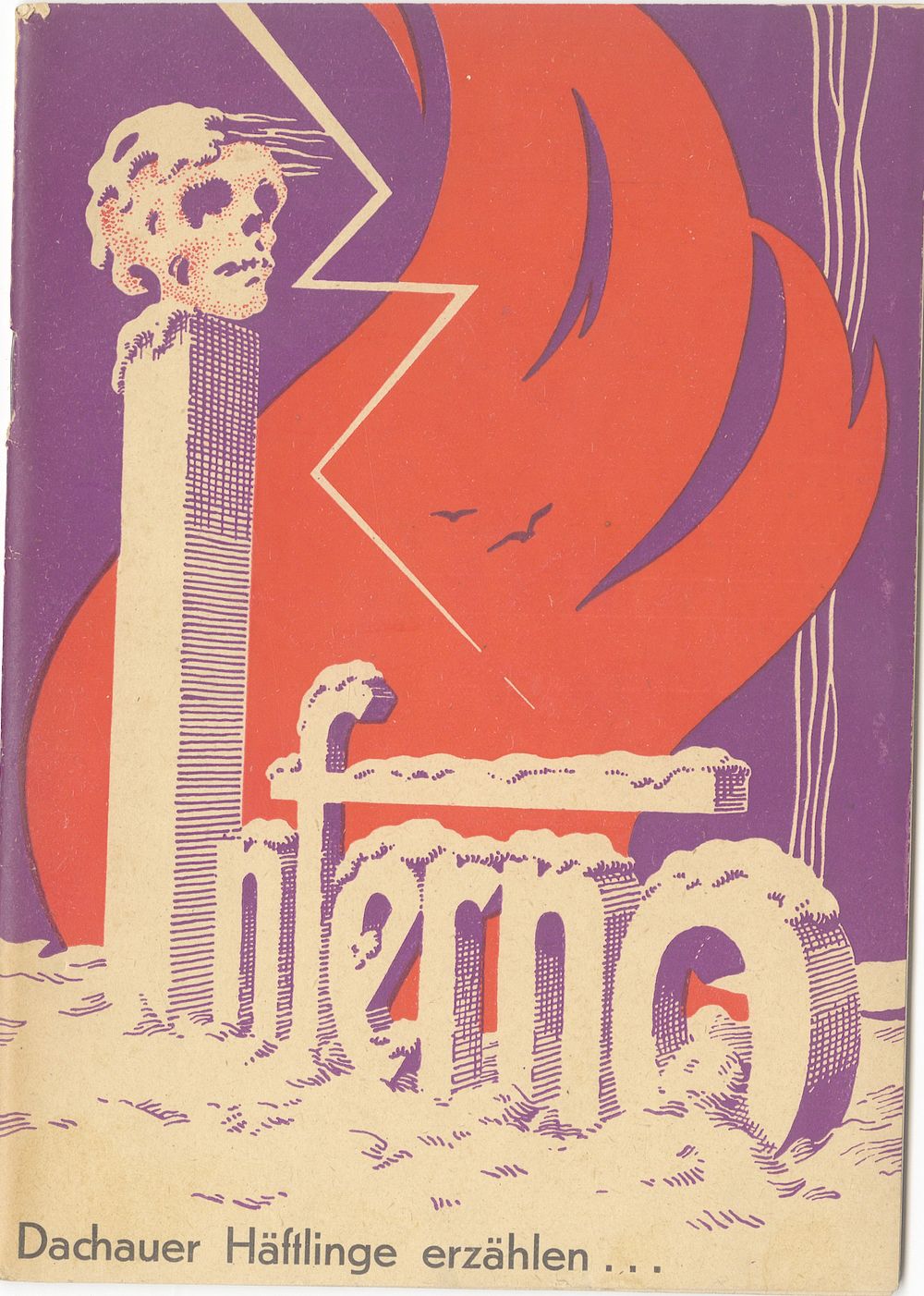
The Dachau Concentration Camp as Described by Dachau Prisoners – harrowing testimonies of Dachau inmates. Graz, 1945 – first edition - ”Konzentrationslager Dachau – Geschildert von Dachauer Häftlingen” – The Dachau Concentration Camp – As Described by Dachau Prisoners – harrowing testimonies of the atrocities of the Dachau camp, as told by the prisoners themselves immediately after the war. Published by Antifaschistischer Volksverlag. Graz, 1945 – first edition. In German. Extremely rare. An early and deeply disturbing publication, written following the collection of detailed testimonies from survivors of the Dachau concentration camp. It was intended first and foremost as an immediate anti-Nazi awareness document for the German and Austrian public following the collapse of the Reich. This is a raw, emotionally charged, and unprocessed account of camp experiences endured by Austrian and Jewish prisoners, among others, describing the living conditions, violence, hunger, and terror, as recounted by the inmates themselves very shortly after liberation, when the memory was still vivid and unfiltered. At the opening of the booklet, the following statement appears: “This booklet was written by prisoners of Dachau. It presents only facts that were seen, experienced, and confirmed by at least several inmates. Nevertheless, it offers only a very small glimpse into the suffering, death, and struggle at Dachau. Even if volumes were filled, only a tiny part of the horrific truth would remain. If this booklet contributes to the beginning of a new era in which such inhuman and cannibalistic atrocities are no longer possible, then it will have fulfilled its purpose.” The booklet documents the horrific abuse from the very first day of a prisoner’s arrival at Dachau. It describes the physical conditions of the camp (“escape from the camp was almost impossible”), the grueling daily routine imposed on the inmates, and the constant anxiety surrounding camp “inspections” (“whenever an inspector arrived at the camp, which happened several times a week, all the prisoners were seized by a nervous agitation that would certainly not have been understood by an outsider. This turmoil stemmed from the fact that a strict ‘order inspection’ was conducted before every visit, and any complaint led to a disciplinary report. Grounds for complaint included, for example, a button that was not sewn on properly, a breadcrumb among the prisoner’s carefully arranged daily ration in his locker, or a stain on the inner wooden wall of the locker...”). It also describes the brutal manner in which the camp was run by the “Death’s Head” men, who hung actual skulls of victims at the entrance to their billiards hall in the camp, and more. One of the most harrowing chapters deals with the methods of murder and torture inflicted on Jewish prisoners at Dachau. Former Dachau inmates describe here methods of killing of the utmost cruelty known to human history, applied especially against Jews. The SS men who carried out the murders are named here, together with their functions in the camp. A system of beatings was routine in the camp, with prisoners being struck throughout the day for no reason at all – inmates regularly suffered from “unofficial beatings, ” and for this reason the road running through the center of the camp was known as “Blood Street.” Another chapter is devoted to the experiments carried out by the Nazis on the bodies of prisoners in the Dachau camp hospital. The experiments conducted by Dr. Rascher, a close confidant of Himmler, are described here in detail. Rascher created a vacuum in a sealed chamber into which prisoners were placed in order to test pressure conditions and provide results for the German Luftwaffe. Every prisoner placed in this chamber met his death within minutes. It is also described how he conducted experiments on prisoners’ bodies using various poisons. In addition, the booklet recounts how diseases were deliberately spread throughout the camp by SS personnel in order to supply “human material” for these monstrous experiments. Former Dachau prisoners also describe the firing range at which the Nazis used living prisoners as targets, who paid for “shooting errors” with their lives; the “Bach method” – the horrific tortures inflicted on prisoners who attempted to escape the camp; the abuse of the disabled who were sent to Dachau; and more. The booklet includes three illustrations documenting harrowing personal experiences in the camp, drawn by Dachau prisoners themselves. Extremely rare. Only two records listed in the WorldCat global library catalog. 47 pages. Very good condition.