Bidspirit auction | Jerusalem Mamilla Prosperity Decay and
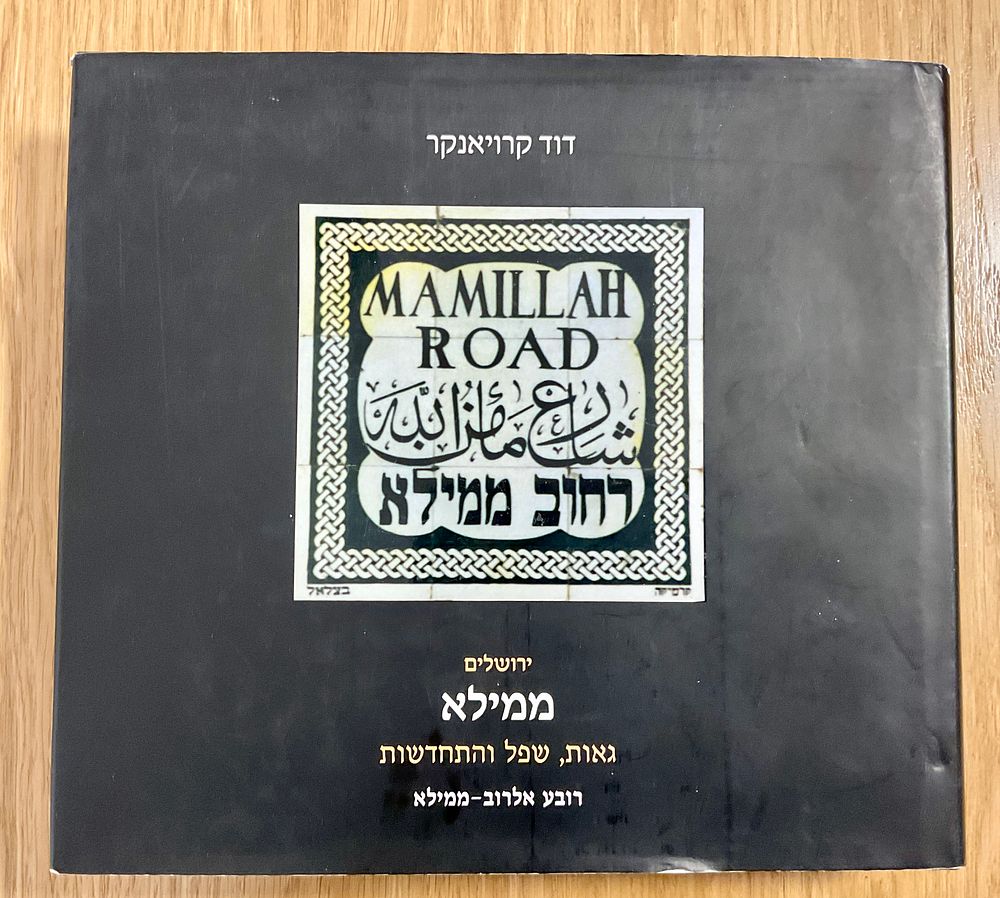
Jerusalem Mamilla Prosperity Decay and Renewal Alrov Mailla Quarter. David Kroyanker. 2009. HC. DJ. Quite good condition. 22.5 x 25 cm. 2.300 k”g - Book Title: Jerusalem Mamilla: Prosperity, Decay and Renewal – The Alrov Mamilla Quarter Author: David Kroyanker Year of Publication: 2009 Background: David Kroyanker, a Jerusalem-based architect and architectural historian, has extensively documented the city’s urban, architectural, and cultural landscapes. In this book, he focuses on the Mamilla area, a historically significant neighborhood and commercial district that lies between Jerusalem’s Old City and its modern center. Once a vibrant and cosmopolitan quarter, Mamilla experienced periods of flourishing trade and social interaction, followed by severe decline in the aftermath of political upheaval, and ultimately a process of large-scale renewal and modernization leading to the Alrov Mamilla Quarter as it exists today. Key Themes and Content: Early Prosperity and Mixed Populations (Late 19th to Early 20th Century): Kroyanker details Mamilla’s origins as a thriving commercial hub during the late Ottoman and British Mandate periods. Situated just outside the Old City walls, Mamilla developed into an active district that drew merchants, craftspeople, and shoppers from Jerusalem’s diverse communities—Jews, Arabs, and Christians alike. Its strategic location, at a crossroads of cultures, made Mamilla both a symbol of urban modernity and a melting pot of social interaction. War, Division, and Decline Post-1948: With the establishment of the State of Israel in 1948 and the ensuing Arab-Israeli conflict, Mamilla found itself on a tense frontline. Many buildings were damaged, commerce stagnated, and residents abandoned the area due to economic hardship and security concerns. In the following decades—particularly from 1948 to 1967, when Jerusalem was divided—Mamilla became a neglected no-man’s-land. Its proximity to the border between Israeli and Jordanian-controlled areas stifled any attempts at rejuvenation, leaving it a ghostly reminder of past prosperity. Urban Planning, Preservation, and Reconstruction Efforts (1970s-1990s): In the late 20th century, there were numerous discussions, proposals, and urban planning attempts aimed at reviving Mamilla. City planners, entrepreneurs, conservationists, and municipal authorities debated the future of the area—whether to restore existing historic structures, build anew, or find a balance between preservation and modern development. Kroyanker examines the various unrealized plans and the evolving vision for Mamilla, highlighting the interplay between economic pressures, political considerations, and the desire to preserve Jerusalem’s unique historic character. The Alrov Mamilla Quarter – A Contemporary Mixed-Use Development: The book culminates with the completion of the Alrov Mamilla Quarter in the 2000s. Led by the developer Alfred Akirov (Alrov Group), the project involved a significant investment in conservation and adaptive reuse of heritage buildings, integrating them with contemporary architecture. Kroyanker explores how this mixed-use complex—featuring luxury hotels, high-end shopping, restaurants, residential units, and cultural spaces—transformed Mamilla into a prime tourist and leisure destination adjacent to the Old City walls. This renewal project serves as a case study for how historical authenticity can coexist (often uneasily) with commercial imperatives and modern urban life. Balancing Heritage and Modernity: Throughout the book, Kroyanker provides critical insight into the delicate balance between preserving a historic identity and meeting contemporary urban needs. He raises questions about authenticity, public space, privatization of the urban realm, and the impact of luxury development on the city’s socio-economic fabric. This narrative underscores how Mamilla’s story mirrors broader global challenges faced by cities seeking to revitalize derelict districts without sacrificing local heritage and community interests. Significance of the Book: Jerusalem Mamilla: Prosperity, Decay and Renewal stands as a comprehensive case study of one of Jerusalem’s most noteworthy urban transformations. Kroyanker’s meticulous research and firsthand architectural expertise shed light on the complexities involved in shaping Jerusalem’s evolving landscape. For urban planners, historians, architects, students, and anyone interested in the layered narratives of Jerusalem’s cityscape, this book offers valuable historical context and critical analysis of the forces that drive urban renewal in a city that embodies centuries of cultural, religious, and political significance.