Bidspirit auction | מנשה קדישמן (1932–2015)
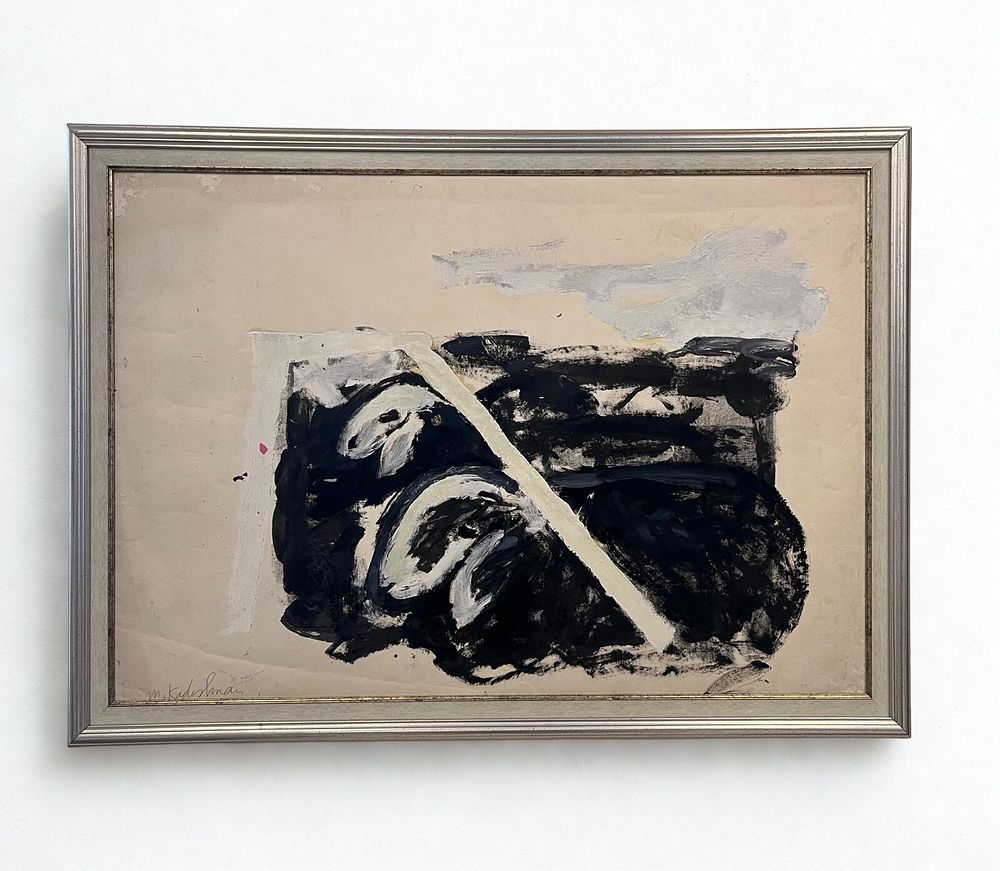
מנשה קדישמן (1932–2015) - My Sheep. עבודה מצויינת של קדישמן שמה שמסמל אותה זה שקדישמן בעצמו צייר אותה עבודה יפה יחודית ומוזיאלית לאוהבי האומנות של קדישמן.בהחלט נדירה והרבה שנים לא ראינו עבודה כזו כאן. עבודה זו, שמן על נייר, מאופיינת בשפתו האקספרסיבית הייחודית של קדישמן – משיכות מכחול חופשיות, ניגודיות דרמטית בין שחור ללבן, והבעה רגשית עוצמתית. הקומפוזיציה המופשטת-פיגורטיבית יוצרת תחושת תנועה ועומק, תוך שמירה על מינימליזם חזק ונוכחות חזותית מרשימה. העבודה חתומה בעיפרון על ידי האמן, וממוסגרת במסגרת אלגנטית המתאימה לתצוגה מיידית. ללא ספק יש לך ציור שקדישמן בעצמו צייר.העבודה נימכרה ישירות לגלריה אשל. מנשה קדישמן (1932–2015) נמנה עם האמנים הישראלים החשובים והמשפיעים ביותר במאה ה־20. חתן פרס ישראל ויוצר בעל הכרה בינלאומית, הציג במוזיאונים ובתערוכות מרכזיות ברחבי העולם וייצג את ישראל בביאנלה של ונציה. יצירתו מושפעת בין היתר משנותיו כרועה צאן בצעירותו, והכבשה הפכה לסמל המזוהה ביותר עם עבודתו. באמצעות צבעוניות עזה, קווים חופשיים והבעה רגשית חזקה, יצר קדישמן שפה אמנותית ייחודית שהפכה לאחד מסימני ההיכר של האמנות הישראלית המודרנית. Oil on paper, 100 × 70 cm. Hand-signed in pencil by the artist. Framed. Provenance: Sold directly to Eshel Gallery. When Menashe Kadishman created art for the sake of pure artistic expression, this is what it looked like. This exceptional early work stands among the rare and distinctive examples of Kadishman's oeuvre. Long before certain motifs became synonymous with his name, the artist explored a more direct, instinctive, and deeply expressive visual language. Here, Kadishman allows gesture, emotion, and painterly energy to take center stage. According to its history, Kadishman later expressed a strong desire to reacquire this work, but by then it had already been sold. Whether because of its importance to him or its unique place within his artistic development, the painting remained out of reach—adding another compelling layer to its story. Executed in oil on paper, the composition is characterized by Kadishman's unmistakable expressive language: free and confident brushstrokes, dramatic contrasts between black and white, and an intensity of feeling that radiates from the surface. Balancing abstraction with figuration, the work conveys movement and depth while maintaining a powerful visual economy. The result is both immediate and monumental. The work is in very good condition and has been exhibited in galleries in Israel and abroad. It is presented in a frame that complements the painting and is ready for display. Rarely does one encounter an early Kadishman of this quality and scale. Works of this nature seldom appear on the market, and examples of this caliber have not been seen for many years. For collectors devoted to Kadishman's art, this is an opportunity not to be overlooked. What makes this painting particularly significant is its authenticity as a wholly hand-painted work by Kadishman himself—an artwork that reflects the artist at his most uncompromising and emotionally direct. It possesses a museum-like presence and stands as a testament to the creative force that established Kadishman as one of the defining figures of modern Israeli art. Menashe Kadishman (1932–2015) was one of the most important and influential Israeli artists of the twentieth century. A recipient of the Israel Prize and an internationally acclaimed artist, he exhibited in major museums and exhibitions around the world and represented Israel at the Venice Biennale. Drawing inspiration from his early years as a shepherd, Kadishman developed a distinctive artistic language defined by expressive lines, bold contrasts, and emotional intensity, securing his place as one of the enduring icons of modern Israeli art.