Bidspirit auction | Yosef Weitz, the man and
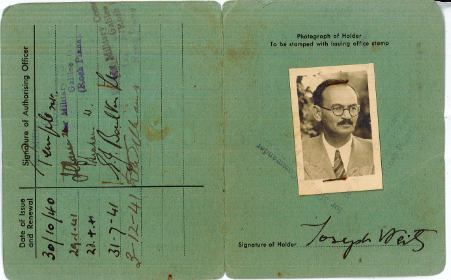
Yosef Weitz, the man and legend of the redemption of the land - a passage card during the World War in the British security area in the Galilee, for his great deeds for the redemption of the land and the Jewish settlement there, and the establishment of the settlements of Huma and Migdal, with the seals of the British army in the Rosh Pina colony, his signature, and the addition of the handwritten notes that he is allowed To drive along the border road to Qadas, the Arab village near Safed, whose inhabitants were Shiites, and Hassan Nasrallah announces from time to time that he wants to return there... a rare and wonderful item! RR - the certificate The dates correspond to the dates of Weitz's actions in the Galilee for the purpose of consolidating the land redemption and establishing settlements in the Galilee. During these years he worked for the establishment of the settlements of Houma and Migdal in the Upper Galilee. The approval on behalf of the offices of the British Army in the Galilee, which were located in Rosh Pina. His signature. In the handwriting of the British on the back of the certificate it is written that his occupation is: ----- and that the ticket is used to cross the border road to Kadas, the Arab village located 17 kilometers northeast of Safed on the site of the biblical city of Kadesh in the Naftali estate, near the Citadel of Nabi Yoshua. The village was one of a kind: its inhabitants were Shiites unlike the rest of the Muslim inhabitants of the country who were Sunnis. This is why Hassan Nasrallah repeats again and again the return of the Arabs to this place. The validity of the certificate was renewed every three months and was valid from October 1940 to March 1942. Land of Israel without Arabs In Weitz's diaries there are many references to the subject of transfer, with Weitz expressing support for the idea for the purpose of promoting the redemption of land and the evacuation of the entire country from its Arab inhabitants for Jewish settlement. This is what Weitz wrote in his diary: We toured the Arab villages this morning. I reflected on the plan I've been thinking about for years: clearing the land for us. We should be clear between ourselves: there is no place in Israel for both peoples together. If the Arabs come out, the land will be wide and spacious for us. If the Arabs stay, the country will remain poor and reduced. The only solution is the Land of Israel and no Arabs. There is no room for compromises here! Move them all. Not a single village, not a single tribe should be left behind. Only in this way, transfer the Arabs of Israel, will salvation come. he was right? What is the sentence of history? התעודה שלפנינו התאריכים תואמים את תאריכי מעשיו של ווייץ בגליל לצורך עיבוי גאולת הקרקעות והקמת ישובים בגליל. בשנים הללו פעל למען הקמת ישובי חומה ומגדל בגליל העליון. האישור מטעם משרדי הצבא הבריטי בגליל שישבו בראש פינה. חתימת ידו. בכתיבת יד הבריטים מאחורי התעודה כתוב שעסוקו הוא: ושהכרטיס משמש למעבר בדרך הגבול אל קאדאס, הכפר הערבי ששכן 17 קילומטר מצפון מזרח לצפת במקומה של העיר המקראית קדש שבנחלת נפתלי, ליד מצודת נבי יושע. הכפר היה יחיד במינו: תושביו היו שיעים שלא כמו שאר יושבי הארץ המוסלמים שהיו סונים. זו הסיבה שחסן נסרללה חוזר שוב ושוב על השיבה שלהם למקום הזה. הוא כבר לא יחזור... תוקף התעודה חודש מידי שלושה חודשים ותקף מאוקטובר 1940 עד מרץ 1942. רקע גאולת הארץ יוסף וַיְץ (כ”ה בטבת ה'תר”ן, ינואר 1890 – 1972) היה מראשי קרן קיימת לישראל, ומהפעילים המרכזיים בהתיישבות, ייעור וברכישת קרקעות בארץ ישראל בתקופת היישוב ובשנות המדינה הראשונות. כונה בשמות ”אבי היערות” ו”אבי הטרנספר”. מנהלו הראשון של מינהל מקרקעי ישראל. אחר מלחמת העולם הראשונה נכנס לעבודה במחלקה להתיישבות של ההנהלה הציונית כמפקח על הנטיעות במשקים שהוקמו על ידי המחלקה. לאחר מכן עבר למחלקת הקרקעות של קרן קיימת לישראל (בין היתר תחת פיקוחו של מנחם מנדל אוסישקין) וזמן מה שימש בשני המוסדות יחד. מאז מינויו לתפקיד בשנת 1932, התמקדה פעילותו של ויץ ברכישת קרקעות והוא ראה בכך מטרה חיונית לקראת הקמת מדינה יהודית. הוא גם זכה להערכה רבה מצד אוסישקין על מסירותו לעבודה זו. הוא קודם בתפקיד כך, שעוד בימיו של אוסישקין היו רוב הפעולות במחלקת הקרקעות מרוכזות בידיו. עד קום המדינה רכשה קק”ל כאלף קילומטר מרובע בארץ ישראל, שלושה רבעים מהם בתקופת כהונתו של ויץ כמנהל מחלקת הקרקעות שלה. התישבות ויץ היה מעורב מטעם הקרן בהקמתם של יישובי ”חומה ומגדל” בתקופת המאורעות, הקמתן של ארבע ”מצודות אוסישקין” באצבע הגליל בשנים 1939–1943, העלאתם על הקרקע של שלושת המצפים בנגב בשנת 1943, עלייתם על הקרקע של היאחזויות הפלמ”ח בשנת 1945 ובהקמתן של אחת עשרה הנקודות בנגב בשנת 1946. את משנתו בעניין הקשר בין קרן קיימת לישראל לבין ההתיישבות, הוא הציג בכינוס בו השתתף בשנת 1944: גאולת האדמה – זוהי מהותה של הקרן הקיימת ותפקידה החיוני. אולם היא המטרה של הקק”ל אבל לא מטרה בפני עצמה, כי גם לה מטרה והיא: יישובה של האדמה. האדמה לשבת נקנית וביישובה היא נגאלת. ואין קול האדמה העברית נשמע, אלא משעה שבני האומה עולים עליה להחזיק בה ולעבדה, שרק אז היא נהיית אדמה עברית, אדמת האומה.