Bidspirit auction | Rare 1924 Chabad-Lubavitch Broadside &
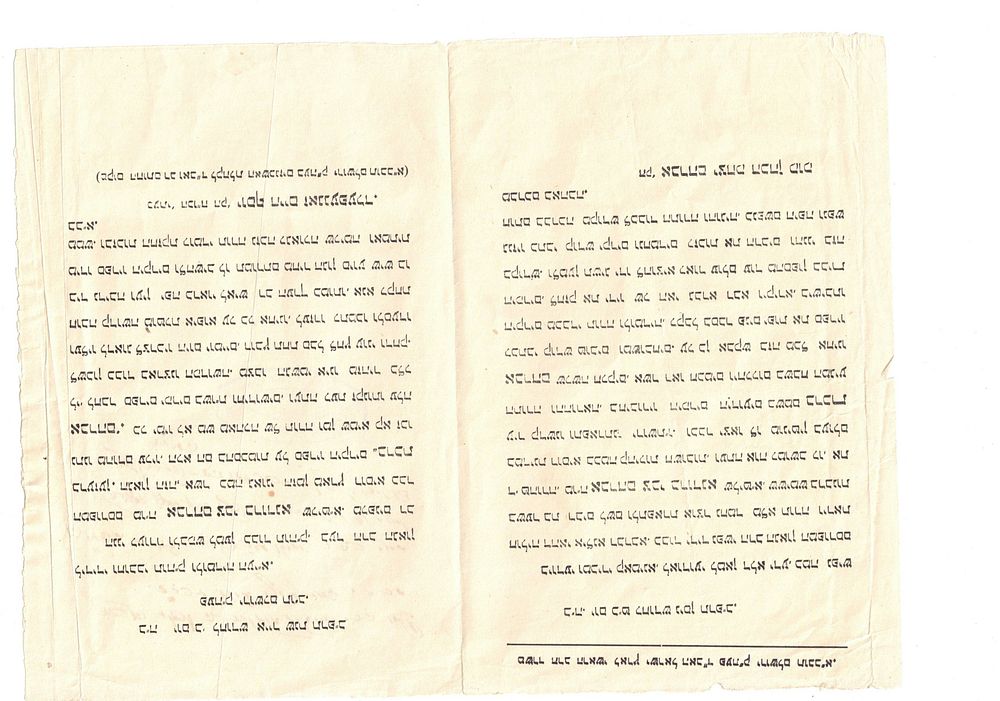
Rare 1924 Chabad-Lubavitch Broadside & Autograph Letter – Rabbi Avraham Zvi Brodna (Author of Kitzur Tanya), Featuring Joint Recommendations by Rabbi A.Y. Kook & Rabbi Y.C. Sonnenfeld - A spectacular, museum-grade primary source document tracking the inner circles of the Chabad-Lubavitch pre-war presence in Jerusalem, featuring an extraordinary convergence of the Holy City's greatest rabbinic leaders. The Author & Lubavitch Prestige: Rabbi Avraham Zvi Brodna (הגאון החסיד רבי אברהם צבי ברודנא זצ”ל; d. 1936) was a prominent Russian-born Chabad Hasid who served as a communal rabbi in several major Russian seats (Kopys, Bobruisk, Moscow) before ascending to Jerusalem. He is immortalized in Chabad bibliography as the author of the foundational work Kitzur Tanya (ספר קיצור תניא / קיצורים וביאורים לספר התניא), which was highly praised by the Lubavitcher Rebbes and later republished directly by the Rebbe's official publishing house, Kehot (Machon Ohalei Shem - Lubavitch). The Document: A fascinating dual-sided historical sheet. The Inverse Side (Autograph Letter): Written entirely in the original handwritten script of Rabbi Brodna, who beautifully signs using his rare literary moniker: ”המחבר” (”The Author”). The text is deeply struck with his official violet-ink rabbinic signet stamp reading: ”אברהם צבי ברודנא בלא”א משה ז”ל בירושלים ת”ו בכמה קהילות ברוסיא”. The Face Side (The Unified Recommendation): Explicitly dated Iyar 5684 (May 1924), this side bears a rare printed joint-appeal issued to support Rabbi Brodna's holy publication efforts. It brings together the parallel, undisputed stamps and text endorsements of the two fiercest ideological rivals of the Old Yishuv: Maran Rabbi Avraham Yitzchak HaKohen Kook (הראי”ה) alongside Maran Rabbi Yosef Chaim Sonnenfeld (הגרי”ח), who both put aside political factions to honor this Chabad master. Collector's Value: Ephemera directly connecting early Chabad authors to the combined leadership of the Mandate-era Chief Rabbinate and the Edah HaChareidit are nearly non-existent. This item represents a pinnacle piece for world-class collectors of Hasidism and Jerusalem heritage.