Bidspirit auction | Classic Corkscrew. Russian Empire, before
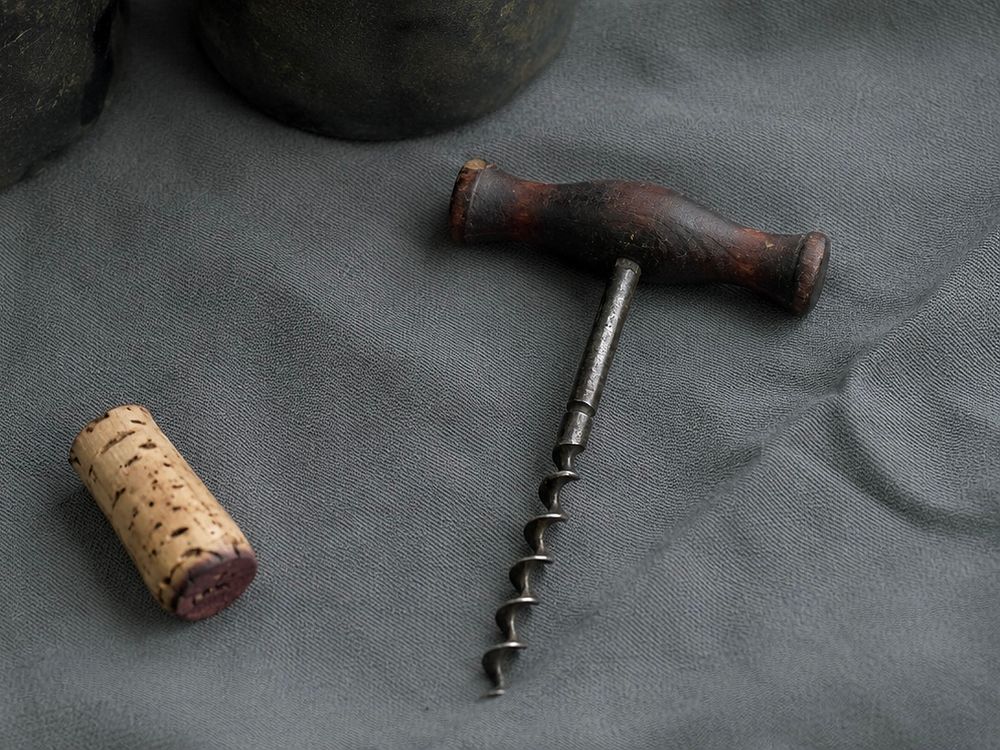
Classic Corkscrew. Russian Empire, before 1917. - Wood, steel. Length: 13.5 cm. A characteristic example of a domestic wine accessory from the late nineteenth to early twentieth century. The corkscrew is executed in the traditional T-shaped form, consisting of a steel shaft with a spiral worm secured within a turned wooden handle of symmetrical profile. Its design reflects the simplicity, durability, and practicality that typified everyday household objects of the pre-revolutionary period. The handle is crafted from hardwood and features gently flared ends that provide a comfortable grip when extracting a cork. Over time, the wood has acquired a rich natural patina and signs of use, attesting to the object's long working life. The functional element is made of forged or machine-finished steel. The spiral worm is distinguished by its deep threading and pointed tip, designed for secure penetration of natural cork. As a specialized tool, the corkscrew became widespread in Europe during the eighteenth century and, by the late nineteenth century, had become an essential household implement among the educated and affluent classes. In Imperial Russia, such objects were commonly found in aristocratic estates, merchant households, hotels, restaurants, and clubs. Today, examples of this type are valued not only as artifacts of wine culture but also as tangible witnesses to the everyday life of the Russian Empire. They offer insight into domestic customs, dining traditions, and the material culture of the late nineteenth and early twentieth centuries, preserving the understated elegance and functionality of objects designed for daily use. The interior visualization is for illustrative purposes only and was created using artificial intelligence technologies. The photograph of the object represents the original item.