Bidspirit auction | Charity Lot. Art Residency “Cape
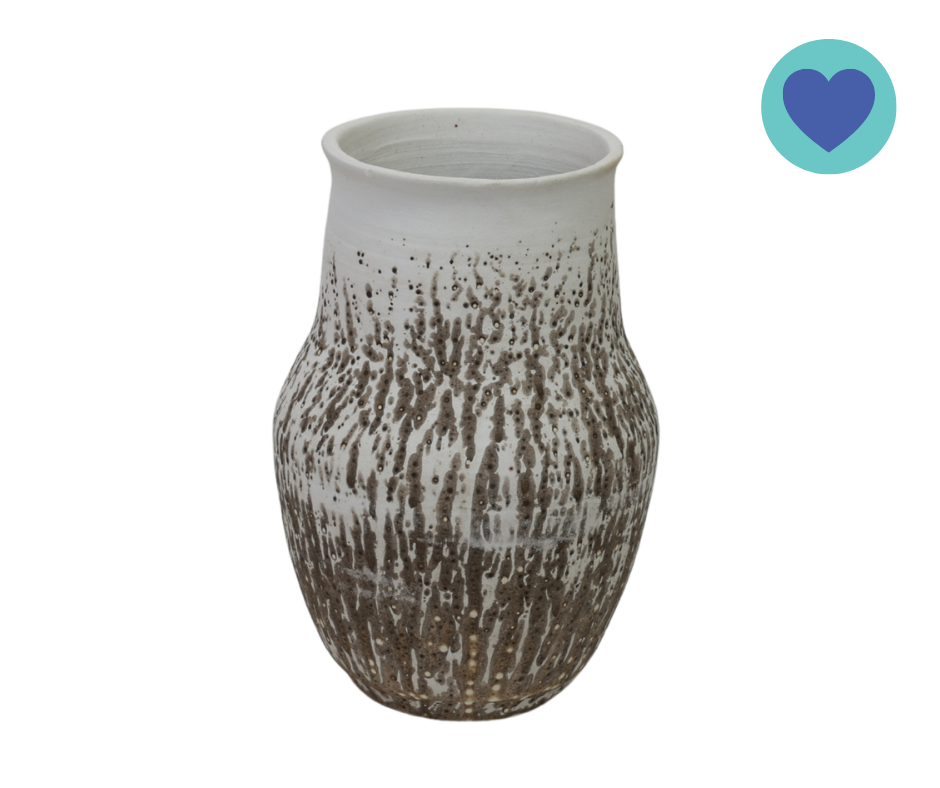
Charity Lot. Art Residency “Cape Kungasny”. Krynka Vessel. 2026. - Ceramic. Traditional Russian scald-fired ware (Obvar). Height: 17.5 cm. Diameter: 11.5 cm. This ceramic krynka—a traditional Russian vessel historically used for storing and serving milk and other dairy products—was created within the educational programme of the Cape Kungasny Art Residency in Vladivostok. In an age defined by digital technologies, standardization, and mass production, traditional craft practices serve as a living bridge connecting contemporary makers with historical memory, material knowledge, and the ethical foundations of craftsmanship. The residency, supported by the non-profit organization Blagoye Delo, provides a rare opportunity to work with historic methods of ceramic production, including open-flame firing using wood and gas kilns within an urban environment. The vessel was produced using Obvar, an ancient Russian ceramic technique known for more than five centuries and rooted in even earlier traditions. After firing, the heated ceramic object is immersed in a fermented organic solution, creating distinctive patterns and tonal effects through the interaction of clay, fire, air, and natural materials. Each firing yields an entirely unique result, making every piece unrepeatable. The aesthetic character of Obvar ceramics is defined by matte surfaces, subtle colour transitions, natural drips, and intricate speckled patterns that cannot be artificially reproduced. These markings become a visual record of the creative process, preserving the direct encounter between material, environment, and human attention. An important aspect of the residency’s programme is its inclusive educational model, bringing together students of decorative and applied arts, young people, and children with disabilities. Through collaborative work with clay and fire, participants engage in a shared creative practice that fosters communication, mutual support, and cultural exchange. Combining historical tradition with contemporary artistic education, this krynka embodies the cultural significance of Russian ceramic heritage while demonstrating the continuing relevance of traditional technologies within modern urban life. It stands as both a functional vessel and a testament to craftsmanship, community, and the enduring dialogue between past and present.