Bidspirit auction | Charity Lot. Art Residency “Cape
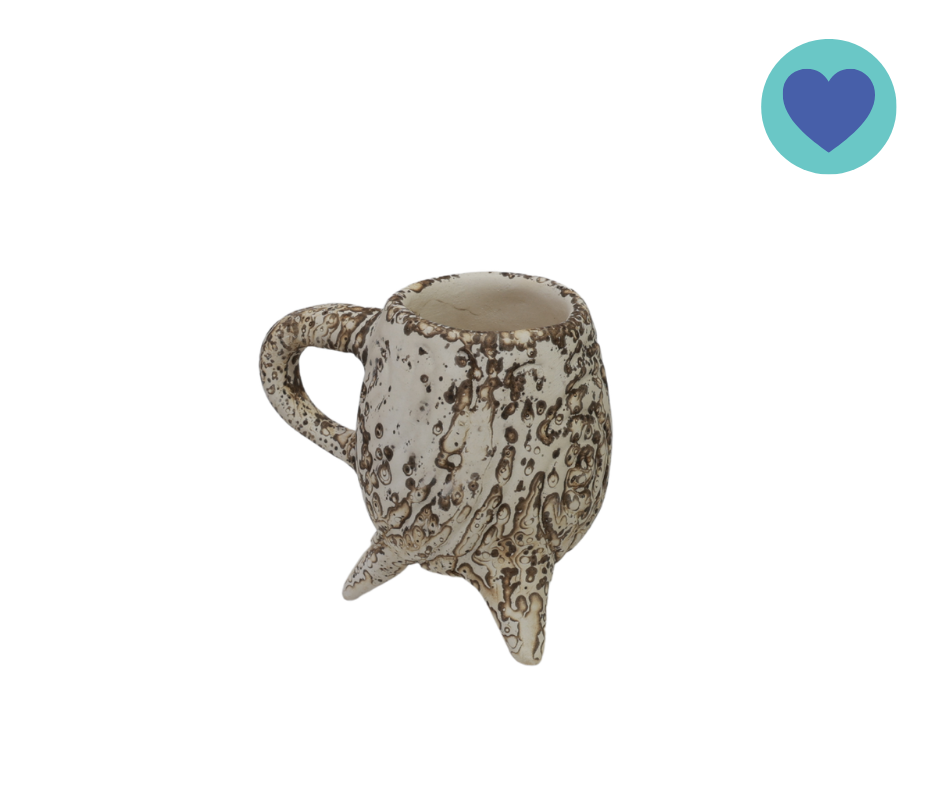
Charity Lot. Art Residency “Cape Kungasny”. Mug “Harmony of Three Principles.” 2026. - Ceramic. Traditional Russian scald-fired ware (Obvar). Height: 11 cm. Diameter: 8 cm. Width with handle: 11.5 cm. Created within the educational programme of the Cape Kungasny Art Residency in Vladivostok, this ceramic mug reflects the revival and reinterpretation of traditional Russian firing techniques in a contemporary artistic context. In an era dominated by digital technologies, standardization, and mass production, traditional craft practices provide a vital connection between contemporary makers and the historical memory of material culture. The residency, supported by the non-profit organization *Blagoye Delo*, offers a rare urban setting where participants can work with historic methods of ceramic firing using open flame, wood, and gas kilns. The mug was produced using Obvar, an ancient Russian ceramic technique known for more than five centuries and rooted in even earlier traditions. After firing, the heated vessel is immersed in a fermented organic mixture, creating distinctive patterns and tonal effects through the interaction of clay, fire, air, and natural materials. Each firing produces a unique and unrepeatable surface. The title, Harmony of Three Principles, suggests a balance of material, fire, and human intention—the three forces that come together in the creation of Obvar ceramics. The resulting surface is characterized by matte textures, subtle tonal transitions, natural drips, and speckled patterns that cannot be artificially replicated. A particularly significant aspect of the residency’s programme is its inclusive educational model, bringing together students of decorative and applied arts, young people, and children with disabilities. Through collaborative work with clay and fire, participants engage in a shared creative process that fosters communication, mutual support, and cultural exchange. This mug stands not only as a functional ceramic object but also as a reflection of cultural continuity, craftsmanship, and community. It demonstrates how traditional technologies can remain meaningful and relevant within contemporary urban life, serving as a platform for education, inclusion, and artistic experimentation.