Bidspirit auction | Two copies of the sought-after
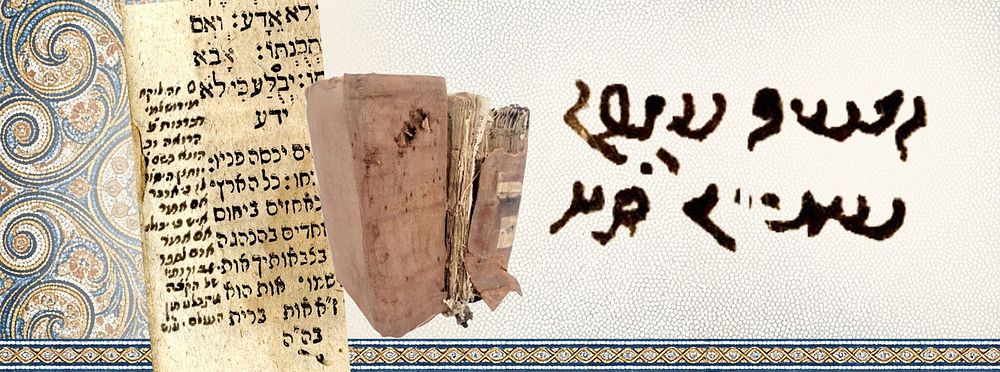
Two copies of the sought-after siddur! Siddur Amudei Shamayim by the Yaavetz; first edition; with the signature of Chacham Ezra Attiya and a long marginal gloss - “…This prayer book never left the tables of our holy Rebbes and ancestors, of blessed memory, who used it constantly — especially during the sacred Seder night on Pesach” (R. Yeshayale of Vizhnitz, the “Yeshuos Moshe”) Siddur Amudei Shamayim — by the Yaavetz (R. Yaakov Emden). Two copies of this sought-after siddur. First editions, printed by the Yaavetz himself in the private printing press he operated in his home — editions that later became treasured “segulah siddurim” favored by Chassidic tzaddikim. Altona, 5505–5507 [1745–1747]. The siddur includes: the full order of prayers for the entire year; Seder Ma’amados; Seder Avodah; the Passover Haggadah; and Perek Shirah — all in precise and carefully corrected versions prepared by the author, together with laws, customs, traditions, and devotional practices according to the kabbalistic system of the Ari and the customs of his father, the Chacham Tzvi. The first and exceedingly rare edition of Rabbi Yaakov Emden’s siddur — widely known as the “Siddur Beis Yaakov.” This inaugural edition is renowned for its special segulah; tzaddikim have declared that one who prays from it will not have his prayer return empty-handed. Genazei Yisrael 214; Stefansky, Sifrei Yesod 415. Siddur Amudei Shamayim, first printing. Weekday and Shabbos prayers. Originally: [1], 418 leaves. Two copies of this important siddur, each containing most of the original leaves. Overall condition: fair to poor. Losses, tears, and defects. Old leather/cloth bindings. Biography The author, Rabbi Yaakov Emden (the Yaavetz) [1698–1776], was one of the greatest kabbalists and Torah scholars of all generations. He labored over this siddur for many years, and in this edition — printed in his own home in Altona — he insisted on extraordinary precision down to the details of vocalization and typography. This siddur became a foundational work in the world of Jewish prayer, and in this very edition his major liturgical work appeared for the first time — a work that later became famous as an extraordinary segulah text. The Chasam Sofer testified: “The words of this sage are a balm for the eyes and a cure for the soul; his language is pure and clean, and anyone who studies it in their moments of leisure will have their thirst quenched.” (Likutei Chaver Ben Chaim) R. Yisrael of Ruzhin wrote in his approbation: “We have seen a vision of radiant light shining forth for the upright, illuminating like stars and precious gems… composed by the illustrious gaon, our crown of glory, the renowned righteous master, R. Yaakov Emden… to show the straight path in matters of prayer, which is exceedingly exalted.” Even the Baal Shem Tov said of him: “Though he is not a Chassid, he is nevertheless attached all day to the first three [sefirot]” — an allusion to his deep cleaving to Chochmah, Binah, Daas. The siddur was revered in Chassidic circles as well, and many great Rebbes used it regularly. The “Yeshuos Moshe” of Vizhnitz wrote: “This prayer book never left the tables of our holy Rebbes and ancestors… and especially during the sacred Seder on Pesach night.” Already two centuries ago, the siddur was considered rare and highly sought-after, as noted by R. Mordechai of Chernobyl in his approbation to the Koritz 1818 edition: “The siddurim have faded and not a single one can be found in the city.”